
Preventing Heat Loss in Cold Rooms
Cold rooms are essential in industries that rely on precise temperature control, including food storage, pharmaceuticals, logistics, and research. Their purpose is simple but critical: maintain a consistently low internal temperature to preserve product quality and safety. However, one of the biggest operational challenges in any cold room is heat loss.
Heat naturally flows from warmer areas to cooler ones, meaning cold rooms are constantly fighting against environmental conditions. Even small amounts of heat infiltration can lead to higher energy costs, temperature fluctuations, and reduced system efficiency. Preventing heat loss is therefore a key priority in cold room design, construction, and maintenance.
This article explores the main causes of heat loss in cold rooms and provides practical strategies to prevent it effectively.
Understanding Heat Loss in Cold Rooms
Heat loss occurs when external warmth enters a cold room, forcing refrigeration systems to work harder to maintain the required temperature. This can happen through walls, doors, floors, ceilings, or even air exchange during entry and exit.
How Heat Transfer Occurs
There are three primary ways heat enters a cold room:
Conduction: heat passing through solid materials such as walls or doors
Convection: warm air entering when doors are opened or seals are weak
Radiation: heat transfer from surrounding surfaces or equipment
Each of these processes contributes to energy loss and must be addressed through proper design and maintenance.
Impact of Heat Loss on Operations
Excessive heat loss leads to several operational issues, including:
Increased energy consumption
Strain on refrigeration systems
Temperature instability
Reduced product shelf life
Higher operational costs
In industries where temperature control is critical, even minor fluctuations can result in significant financial and product losses.
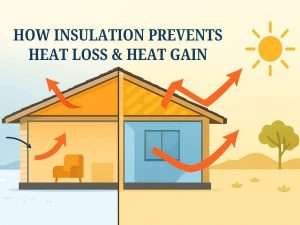
Insulation as the First Line of Defense
Insulation is the most important factor in preventing heat loss in cold rooms. A well-insulated structure significantly reduces heat transfer and improves energy efficiency.
Insulated Wall and Ceiling Panels
Cold rooms are typically constructed using sandwich panels filled with insulating materials such as polyurethane (PU) or polyisocyanurate (PIR) foam. These materials provide excellent thermal resistance and help maintain stable internal conditions.
The outer layers of these panels are usually made from metal sheets that protect against moisture, corrosion, and physical damage.
Floor Insulation Systems
Floor insulation is often overlooked but plays a major role in preventing heat ingress from the ground. In freezer environments, heated or ventilated floors may also be used to prevent frost heave and maintain structural integrity.
Cold Room Door Design and Performance
Doors are one of the most significant sources of heat loss in cold rooms because they are frequently opened and closed.
High-Quality Insulated Doors
Insulated doors are designed with dense foam cores and airtight sealing systems to minimize heat exchange. Materials such as PU and PIR foam are commonly used for their high insulation performance.
Different door types, including hinged, sliding, and rapid roll-up doors, are selected based on usage frequency and space constraints.
Sealing Systems and Air Tightness
Door seals are essential for preventing air leakage. Rubber gaskets, magnetic seals, and compression systems ensure that doors close tightly and prevent warm air from entering.
Regular inspection of seals is necessary to maintain performance over time.
Reducing Air Exchange and Infiltration
Air exchange is one of the fastest ways heat enters a cold room. Controlling how and when air enters is essential for efficiency.
Air Curtains and Strip Curtains
Air curtains create a barrier of fast-moving air at door openings, helping to reduce warm air infiltration. Strip curtains, made from flexible PVC strips, provide a physical barrier while allowing easy movement of goods and personnel.
Both solutions are widely used in high-traffic cold storage environments.
Controlled Access Systems
Limiting unnecessary door openings is another effective strategy. Automated doors, access control systems, and operational protocols help reduce the frequency and duration of door openings.
Refrigeration System Efficiency
While insulation prevents heat from entering, refrigeration systems remove any heat that does infiltrate the cold room. Efficient systems reduce the impact of unavoidable heat gain.
Proper System Sizing
An undersized refrigeration system will struggle to maintain temperature, while an oversized system may waste energy. Correct system sizing ensures optimal performance and efficiency.
Regular Maintenance and Calibration
Refrigeration units should be regularly inspected, cleaned, and calibrated to ensure efficient operation. Dirty coils, low refrigerant levels, or faulty sensors can significantly reduce cooling performance.
Structural Design Considerations
The physical design of a cold room has a major impact on heat loss prevention.
Minimizing Thermal Bridging
Thermal bridging occurs when heat passes through conductive materials such as metal supports or poorly insulated joints. Using thermal breaks and continuous insulation helps reduce this effect.
Compact and Efficient Layouts
Smaller, well-organized cold rooms are easier to maintain at stable temperatures. Efficient layouts reduce unnecessary movement and limit the time doors remain open.
Environmental Control and Monitoring
Monitoring internal conditions allows early detection of heat loss issues and system inefficiencies.
Temperature and Humidity Sensors
Modern cold rooms are equipped with sensors that continuously monitor temperature and humidity levels. These systems help identify irregularities before they become serious problems.
Automated Alerts and Controls
If temperature rises above acceptable levels, automated systems can trigger alarms or adjust refrigeration output. This helps maintain consistent conditions and prevents product damage.
Operational Practices to Reduce Heat Loss
Human behavior plays a significant role in cold room efficiency.
Training and Awareness
Staff should be trained to minimize door opening times and ensure doors are properly closed after use. Small operational improvements can significantly reduce heat infiltration.
Efficient Loading and Unloading
Organizing goods before entering the cold room helps reduce time spent with doors open. Pre-planning workflows improves efficiency and reduces temperature fluctuations.
Maintenance Strategies for Long-Term Efficiency
Regular maintenance ensures that all systems continue functioning efficiently and prevents gradual performance decline.
Inspection of Insulation and Seals
Periodic inspection of insulation panels and door seals helps identify damage or wear that could lead to heat loss.
Preventive Maintenance Scheduling
Scheduled maintenance of refrigeration systems, doors, and airflow systems helps prevent unexpected failures and maintains optimal performance.
Energy Efficiency Improvements
Reducing heat loss directly improves energy efficiency and lowers operational costs.
Upgrading to High-Performance Materials
Modern insulation materials offer significantly better thermal resistance compared to older systems. Upgrading panels, doors, and seals can greatly improve efficiency.
Smart Energy Management Systems
Automated energy management systems optimize refrigeration cycles based on real-time conditions, reducing unnecessary energy consumption.
Conclusion
Preventing heat loss in cold rooms is essential for maintaining temperature stability, reducing energy consumption, and protecting stored goods. Because cold rooms operate in constant opposition to external environmental conditions, even small inefficiencies can lead to significant operational costs.
By focusing on insulation quality, door performance, airflow control, refrigeration efficiency, and proper operational practices, businesses can dramatically reduce heat infiltration. Combined with regular maintenance and modern monitoring systems, these strategies ensure long-term efficiency and reliability in any cold storage environment.
Recent Comments