
Cold Storage Construction Essentials
Cold storage construction is a highly specialized field that focuses on building facilities capable of maintaining strict temperature control for perishable goods. These facilities are essential for industries such as food distribution, pharmaceuticals, agriculture, and logistics. Unlike standard warehouses, cold storage buildings must be engineered to minimize heat transfer, control humidity, and maintain consistent internal conditions at all times.
Designing and constructing an efficient cold storage facility requires careful planning, material selection, and integration of multiple systems working together. This article outlines the key essentials of cold storage construction and explains how each component contributes to performance, efficiency, and reliability.
Understanding Cold Storage Requirements
Before construction begins, it is important to define the operational requirements of the facility. Cold storage buildings are not one-size-fits-all structures; they vary significantly depending on the type of goods stored and the required temperature range.
Temperature Categories
Cold storage facilities typically fall into three main categories:
Chilled storage (0°C to 5°C) for fresh produce and dairy products
Frozen storage (-18°C to -25°C) for meat, seafood, and packaged frozen foods
Deep freeze or blast freezing (below -25°C) for long-term preservation and rapid cooling processes
Each category requires different insulation levels, refrigeration capacity, and structural design considerations.
Product Sensitivity and Compliance
Certain industries, especially pharmaceuticals and food exports, must comply with strict regulatory standards. These standards dictate temperature stability, hygiene requirements, and monitoring systems. Understanding these requirements early ensures the facility is designed to meet operational and legal expectations.
Insulation Systems in Cold Storage Construction
Insulation is the foundation of any cold storage facility. Without proper insulation, maintaining low temperatures becomes inefficient and costly.
Insulated Panels
Cold storage walls, ceilings, and sometimes floors are constructed using insulated sandwich panels. These panels typically consist of a rigid foam core made from polyurethane (PU) or polyisocyanurate (PIR), sandwiched between metal sheets such as steel or aluminum.
These materials provide excellent thermal resistance, reducing heat transfer and improving energy efficiency.
Floor Insulation
Floor insulation is often overlooked but is critical in preventing heat ingress from the ground. Depending on the application, insulation layers may be combined with vapor barriers and reinforced concrete to support heavy loads while maintaining thermal stability.
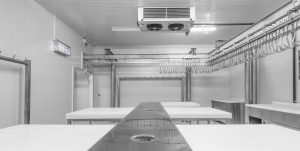
Refrigeration Systems and Temperature Control
The refrigeration system is the heart of any cold storage facility. It ensures that internal temperatures remain stable and within required ranges.
Types of Refrigeration Systems
Common refrigeration systems used in cold storage construction include:
Direct expansion (DX) systems
Glycol-based chilled water systems
Ammonia refrigeration systems for large-scale industrial facilities
Each system has its advantages depending on facility size, energy requirements, and environmental considerations.
Temperature Monitoring and Automation
Modern cold storage facilities rely on advanced monitoring systems to track temperature fluctuations in real time. Automated controls adjust cooling output based on demand, improving efficiency and reducing energy waste.
Alarm systems are also installed to alert operators in case of temperature deviations or system failures.
Cold Storage Doors and Access Points
Doors are one of the most critical components in cold storage construction because they represent potential points of heat infiltration.
Insulated Door Systems
Cold storage doors are constructed using insulated cores such as PU or PIR foam, combined with durable outer materials like stainless steel or galvanized steel. These doors are designed to maintain airtight seals and reduce energy loss.
Common types include hinged doors, sliding doors, and rapid roll-up doors, each suited to different operational needs.
Sealing and Air Leakage Prevention
High-quality sealing systems are essential for preventing air leakage. Rubber gaskets and magnetic seals ensure tight closure, while proper installation minimizes gaps that could compromise efficiency.
Structural Design and Building Layout
The structural design of a cold storage facility plays a major role in its efficiency and functionality.
Optimized Layout Planning
Efficient layout design minimizes unnecessary movement of goods and reduces the time doors remain open. Storage zones, loading bays, and processing areas should be strategically positioned for smooth workflow.
Load-Bearing Capacity
Cold storage facilities often store heavy palletized goods. The structure must be designed to support significant loads, especially in freezer environments where reinforced flooring is required.
Thermal Bridging Prevention
Thermal bridging occurs when heat passes through conductive materials in the structure. Proper design minimizes these weak points by using thermal breaks and insulated connections.
Humidity and Airflow Control
Managing humidity and airflow is essential to maintaining product quality and preventing ice formation.
Dehumidification Systems
Excess moisture can lead to frost build-up and reduced efficiency. Dehumidifiers help control moisture levels inside the facility, especially in chilled storage environments.
Air Circulation Design
Proper airflow ensures consistent temperature distribution throughout the storage space. Poor circulation can create hot or cold spots, affecting product quality.
Energy Efficiency in Cold Storage Construction
Energy consumption is one of the highest operational costs in cold storage facilities. Efficient design and technology can significantly reduce long-term expenses.
High-Performance Insulation
Using advanced insulation materials with high R-values reduces the workload on refrigeration systems. This directly lowers energy consumption.
LED Lighting and Smart Controls
Energy-efficient lighting systems, such as LED fixtures, reduce heat output inside the facility. Smart control systems also help optimize energy usage by adjusting lighting and cooling based on occupancy.
Renewable Energy Integration
Some modern cold storage facilities integrate solar panels or energy recovery systems to offset electricity usage and improve sustainability.
Safety and Regulatory Compliance
Cold storage facilities must comply with safety standards to protect both workers and stored goods.
Fire Safety Systems
Although cold environments reduce fire risk, electrical systems and packaging materials still pose hazards. Fire detection and suppression systems are essential.
Food and Pharmaceutical Standards
Facilities storing food or pharmaceuticals must meet strict hygiene and temperature control regulations. Regular audits and monitoring ensure compliance with industry standards.
Maintenance and Long-Term Performance
Proper maintenance ensures that cold storage facilities continue operating efficiently over time.
Routine Equipment Inspection
Refrigeration systems, insulation panels, and door seals should be inspected regularly to identify wear and prevent failures.
Preventive Maintenance Strategies
Scheduled maintenance reduces downtime and extends the lifespan of critical systems. This includes cleaning, calibration, and replacement of worn components.
Conclusion
Cold storage construction requires careful planning, high-quality materials, and precise engineering to ensure long-term performance. Every component—from insulation panels and refrigeration systems to doors and airflow design—plays a vital role in maintaining temperature stability and operational efficiency.
Recent Comments