
IoT, AI, and Robotics: Revolutionizing Cold Storage Operations
The cold storage industry is experiencing a major technological transformation as businesses adopt advanced solutions to improve efficiency, accuracy, and reliability. As global demand for fresh food, pharmaceuticals, and temperature-sensitive products continues to increase, traditional warehouse operations are no longer enough to meet modern supply chain requirements.
Technologies such as the Internet of Things (IoT), artificial intelligence (AI), and robotics are changing how cold storage facilities operate. These innovations allow businesses to monitor conditions in real time, automate repetitive processes, reduce operational costs, and improve product quality.
Today’s cold storage facilities are becoming intelligent environments where connected devices, smart software, and automated equipment work together to create faster, safer, and more efficient operations.
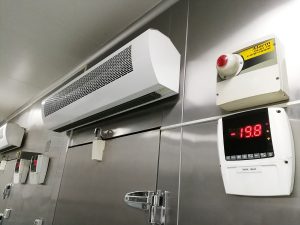
The Growing Need for Technology in Cold Storage
Cold storage facilities face unique challenges compared to traditional warehouses. Products must be stored under strict temperature conditions, energy consumption must be carefully managed, and inventory must be handled with precision.
The increasing demand for faster deliveries and greater supply chain visibility has created pressure for cold storage operators to modernize their facilities. Manual processes can lead to inefficiencies, inaccurate inventory records, and delayed responses to equipment issues.
Technology provides solutions by giving businesses greater control over their operations. IoT sensors, AI-powered analytics, and robotic systems allow facilities to operate with improved accuracy while reducing the risks associated with human error.
Addressing Modern Supply Chain Challenges
Supply chains are becoming more complex due to changing customer expectations, global distribution networks, and stricter quality requirements. Cold storage operators must maintain product integrity while managing costs and improving efficiency.
Advanced technology helps businesses achieve these goals by providing real-time information, automated workflows, and predictive insights. These capabilities allow operators to make better decisions and respond quickly to changing conditions.
How IoT Is Transforming Cold Storage Monitoring
The Internet of Things (IoT) is one of the most influential technologies shaping modern cold storage operations. IoT systems use connected sensors and devices to collect and transmit information throughout a facility.
These sensors can monitor critical factors such as temperature, humidity, air quality, energy consumption, and equipment performance. The collected data provides operators with a detailed understanding of warehouse conditions at any moment.
Real-Time Temperature Monitoring
Maintaining consistent temperatures is essential for protecting perishable products. Even minor temperature fluctuations can affect product quality, reduce shelf life, or create safety concerns.
IoT-enabled temperature sensors continuously monitor storage conditions and provide immediate alerts when problems occur. Instead of relying on periodic manual inspections, facility managers can identify issues instantly and take corrective action.
This proactive approach helps prevent spoilage, reduce waste, and ensure compliance with industry standards.
Remote Monitoring and Improved Visibility
IoT technology allows operators to monitor cold storage facilities remotely through connected software platforms. Managers can review temperature data, equipment performance, and operational reports from any location.
This increased visibility improves decision-making and allows businesses to manage multiple facilities more effectively. Remote monitoring also helps maintenance teams identify problems before they lead to equipment failures.
The Role of Artificial Intelligence in Cold Storage
Artificial intelligence is helping cold storage facilities move beyond basic monitoring by turning collected data into valuable insights. AI systems can analyze large amounts of information, identify patterns, and recommend improvements.
By using machine learning algorithms, cold storage operators can optimize processes, reduce waste, and improve overall facility performance.
Predictive Maintenance and Equipment Optimization
Refrigeration systems are critical to cold storage operations, and unexpected equipment failures can cause significant financial losses. AI-powered predictive maintenance helps businesses identify potential problems before they occur.
Sensors collect information about equipment performance, such as temperature changes, energy usage, and operating conditions. AI systems analyze this data to detect unusual patterns that may indicate future failures.
Maintenance teams can then schedule repairs before equipment breaks down, reducing downtime and extending the lifespan of essential machinery.
AI-Powered Inventory Management
Inventory management is another area where artificial intelligence is making a major impact. AI systems can track product movement, analyze demand patterns, and optimize storage strategies.
By understanding inventory trends, businesses can improve stock rotation, reduce waste, and ensure products are stored and shipped efficiently.
AI can also help prioritize products based on expiration dates, ensuring that older inventory is moved first and reducing unnecessary losses.
Robotics and Automation in Cold Storage Facilities
Robotics are becoming increasingly common in cold storage operations as businesses look for ways to improve efficiency and reduce manual labor requirements.
Cold environments can be physically demanding for employees, especially when workers spend extended periods in refrigerated or frozen areas. Robotics help reduce these challenges by handling repetitive and physically intensive tasks.
Automated Storage and Retrieval Systems
Automated storage and retrieval systems (AS/RS) use robotic equipment to store and retrieve products automatically. These systems improve warehouse organization while reducing the need for manual handling.
AS/RS technology allows facilities to maximize available storage space by using vertical areas and minimizing unnecessary movement.
For cold storage operators, improved space utilization can significantly reduce costs because refrigerated storage areas require substantial energy and infrastructure investment.
Autonomous Mobile Robots
Autonomous mobile robots (AMRs) are another innovation transforming cold storage operations. These robots can move products throughout a warehouse without requiring direct human control.
Using sensors, cameras, and navigation technology, AMRs can safely transport goods between storage areas, packing stations, and loading zones.
These systems improve workflow efficiency while allowing employees to focus on more complex tasks that require decision-making and expertise.
The Benefits of Combining IoT, AI, and Robotics
While each technology provides valuable advantages individually, combining IoT, AI, and robotics creates a more powerful solution for cold storage operations.
IoT devices collect real-time information, AI analyzes that information to identify opportunities and risks, and robotics carry out automated tasks based on intelligent decisions.
This connected approach creates a smarter cold storage environment where operations are faster, more accurate, and easier to manage.
Improved Efficiency and Lower Operating Costs
Automation and intelligent systems reduce the time required for manual tasks while improving productivity. Better monitoring also helps businesses reduce energy waste and avoid costly equipment failures.
Over time, these improvements can significantly lower operational expenses while increasing facility performance.
Enhanced Safety and Product Protection
Technology improves safety by reducing employee exposure to harsh working conditions and minimizing handling errors.
At the same time, better temperature control and inventory tracking help protect products throughout the storage process, ensuring customers receive high-quality goods.
The Future of Smart Cold Storage Operations
The future of cold storage will continue to be shaped by technological innovation. As IoT devices become more advanced, AI systems become more intelligent, and robotics become more capable, facilities will become increasingly automated and connected.
Future cold storage operations may include fully autonomous warehouses where inventory management, temperature control, maintenance scheduling, and order fulfillment are managed by integrated digital systems.
Businesses that adopt these technologies will be better positioned to handle growing demand, improve efficiency, and maintain a competitive advantage in the evolving supply chain industry.
Conclusion
IoT, AI, and robotics are revolutionizing cold storage operations by creating smarter, more efficient, and more reliable facilities. These technologies provide businesses with greater visibility, improved automation, and better control over critical processes.
From real-time temperature monitoring and predictive maintenance to robotic handling and intelligent inventory management, modern technology is transforming how cold storage facilities operate.
As the industry continues to evolve, embracing these innovations will be essential for businesses looking to improve performance, reduce costs, and meet the demands of the future.
Recent Comments