
How Cold Storage Curtains Improve Temperature Control Efficiency
Cold storage facilities are essential for preserving perishable goods, maintaining pharmaceutical integrity, and supporting global supply chains. Whether used in food distribution, warehousing, or medical storage, these environments depend on strict temperature regulation. Even small fluctuations can lead to product spoilage, reduced shelf life, and significant financial losses.
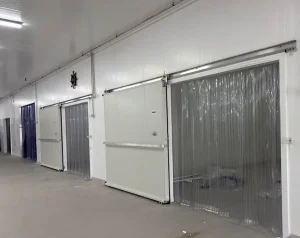
One of the most effective yet often underestimated tools for improving temperature control efficiency in cold storage rooms is the use of curtains. These include PVC strip curtains, insulated thermal curtains, and heavy-duty barrier systems designed specifically for temperature-sensitive environments. This article explains how cold storage curtains improve temperature control efficiency and why they are essential in modern refrigeration systems.
The Importance of Temperature Control in Cold Storage
Maintaining a consistent internal temperature is the primary function of any cold storage facility. However, this is easier said than done. Every time a door opens, warm external air enters and cold air escapes. This disrupts equilibrium and forces refrigeration systems to work harder to restore the desired conditions.
Impact of Temperature Fluctuations
Temperature fluctuations can have serious consequences depending on the stored products. In food storage, it can lead to thawing and refreezing cycles that damage texture and safety. In pharmaceuticals, even slight deviations can compromise effectiveness. For logistics and warehousing, inconsistent temperatures increase operational costs and reduce efficiency.
Energy Demands of Refrigeration Systems
Refrigeration units are designed to maintain low temperatures, but they consume large amounts of energy when compensating for heat infiltration. Every unnecessary exchange of air increases compressor workload, leading to higher electricity consumption and increased wear on equipment.
How Cold Storage Curtains Work
Cold storage curtains act as a flexible barrier between different temperature zones. Unlike solid doors, they allow continuous access while limiting air exchange. This simple but effective mechanism significantly enhances temperature control efficiency.
Physical Barrier Against Air Exchange
Curtains—especially PVC strip curtains—consist of overlapping flexible strips that create a semi-sealed environment. When people or machinery pass through, the strips part temporarily and then quickly return to their original position. This minimizes the amount of warm air entering and cold air escaping.
Reducing Thermal Shock
When warm air enters a cold storage room, it creates thermal shock, forcing refrigeration systems to compensate rapidly. Curtains reduce the intensity and frequency of these shocks, allowing temperature levels to remain more stable over time.
Improving Temperature Stability
One of the key benefits of cold storage curtains is their ability to maintain consistent internal conditions, even in high-traffic environments.
Minimizing Heat Infiltration
Heat infiltration is one of the biggest challenges in cold storage management. It occurs when external air enters the facility through open doors or poorly sealed entry points. Curtains reduce this infiltration by acting as a secondary barrier, limiting direct exposure to outside conditions.
Supporting Zoned Temperature Control
Many modern cold storage facilities use zoned environments with different temperature settings. Curtains help separate these zones without requiring fully enclosed doors. This allows smooth workflow while maintaining distinct climate conditions for different product categories.
Enhancing Energy Efficiency Through Better Control
Temperature control efficiency is directly linked to energy consumption. The more stable the internal environment, the less work refrigeration systems must perform.
Reducing Compressor Load
Compressors are the most energy-intensive components of refrigeration systems. When warm air repeatedly enters a cold room, compressors must cycle more frequently. Curtains reduce this frequency by minimizing air exchange, allowing systems to operate more steadily and efficiently.
Lowering Electricity Consumption
By stabilizing internal temperatures, curtains reduce the need for continuous cooling adjustments. Over time, this leads to measurable reductions in electricity usage, particularly in large-scale warehouses and distribution centers.
Extending Equipment Lifespan
Less strain on refrigeration equipment also means fewer breakdowns and longer operational life. This reduces maintenance costs and prevents unexpected downtime that can disrupt supply chains.
Types of Curtains That Improve Temperature Control
Different types of cold storage curtains offer varying levels of temperature control efficiency depending on the application.
PVC Strip Curtains
PVC strip curtains are the most commonly used solution in cold storage environments. They are made of flexible plastic strips that overlap to form a partial seal. These curtains are ideal for high-traffic areas where constant movement is required, such as loading docks and walk-in freezers.
Insulated Thermal Curtains
Insulated curtains are designed for environments that require higher levels of temperature stability. They contain layered materials that provide enhanced resistance to heat transfer. These are often used in deep-freeze rooms or pharmaceutical storage areas.
Magnetic Sealing Curtains
In more advanced setups, magnetic sealing curtains provide a tighter closure when not in use. These are suitable for environments where strict temperature control is critical and air leakage must be minimized as much as possible.
Operational Efficiency and Workflow Benefits
While temperature control is the primary function, curtains also improve overall operational efficiency in cold storage facilities.
Uninterrupted Movement of Goods
Unlike solid doors that require opening and closing mechanisms, curtains allow continuous access. Workers and machinery can move freely without disrupting temperature stability, which improves workflow speed and productivity.
Reduced Waiting Time
In busy logistics environments, waiting for doors to open and close can create delays. Curtains eliminate this issue, allowing faster loading and unloading processes while maintaining environmental control.
Hygiene and Contamination Control Benefits
Temperature control efficiency is closely linked to hygiene management. Maintaining a stable environment helps reduce condensation and microbial growth.
Preventing External Contaminants
Curtains help block dust, insects, and airborne particles from entering cold storage areas. This is particularly important in food and pharmaceutical industries where contamination risks must be minimized.
Reducing Moisture Build-Up
Temperature fluctuations often lead to condensation, which can promote mold growth and contamination. By stabilizing internal conditions, curtains reduce moisture buildup and support cleaner storage environments.
Cost Efficiency and Long-Term Value
Investing in cold storage curtains provides long-term financial benefits through improved temperature control efficiency.
Lower Operating Costs
Reduced energy consumption directly translates into lower operational costs. Facilities that install curtains often see noticeable reductions in electricity bills due to improved refrigeration efficiency.
Reduced Product Loss
Stable temperatures help prevent spoilage, freezer burn, and degradation of sensitive products. This reduces financial losses associated with damaged goods.
High Return on Investment
Curtains are relatively low-cost compared to other cold storage infrastructure upgrades. However, their impact on efficiency and cost savings makes them one of the highest ROI improvements available.
Conclusion
Cold storage curtains play a critical role in improving temperature control efficiency across a wide range of industries. By reducing air exchange, stabilizing internal conditions, and supporting refrigeration systems, they help maintain product quality while lowering energy consumption.
From PVC strip curtains to insulated thermal systems, these solutions provide flexible and cost-effective ways to enhance cold storage performance. In modern supply chains where efficiency and reliability are essential, cold storage curtains are not just an accessory—they are a fundamental component of effective temperature management.
Recent Comments