
Why Curtains Are Essential in Cold Storage Rooms
Cold storage rooms are critical environments used in industries such as food processing, pharmaceuticals, logistics, and agriculture. These spaces are designed to maintain strict temperature control to preserve product quality and safety. However, one often overlooked yet highly effective component of these systems is the use of curtains—especially PVC strip curtains and insulated barrier curtains.
These curtains play a vital role in improving energy efficiency, maintaining temperature stability, and supporting hygiene standards. Without them, cold storage rooms can become inefficient, costly to operate, and more prone to contamination risks. This article explores why curtains are essential in cold storage rooms and how they contribute to operational performance.
The Role of Curtains in Cold Storage Systems
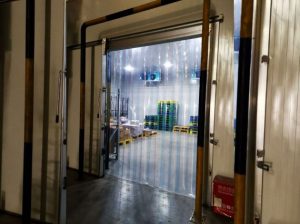
Curtains in cold storage rooms act as a flexible barrier between controlled and uncontrolled environments. Unlike solid doors, they allow partial access while minimizing air exchange. This makes them particularly useful in high-traffic areas such as loading docks, walk-in freezers, and refrigerated warehouses.
Maintaining Temperature Stability
One of the primary functions of cold storage curtains is to maintain consistent internal temperatures. Every time a door opens, warm air from outside enters the cold room, while cold air escapes. This disrupts temperature stability and forces refrigeration systems to work harder.
Curtains reduce this exchange by creating overlapping strips or insulated barriers that limit airflow while still allowing people, forklifts, or carts to pass through. As a result, temperature fluctuations are minimized, which helps preserve stored goods such as frozen foods, vaccines, and perishable items.
Reducing Energy Consumption
Energy efficiency is a major concern for facilities operating cold storage rooms. Refrigeration systems are among the highest energy consumers in industrial environments. When cold air escapes frequently, compressors must run longer and more frequently to compensate for the loss.
By installing curtains, businesses can significantly reduce energy waste. The barrier effect helps keep cold air inside and warm air out, which reduces the workload on cooling systems. Over time, this leads to lower electricity bills and reduced operational costs.
In large warehouses or distribution centers, even a small improvement in energy efficiency can translate into substantial financial savings.
Improving Operational Efficiency
Beyond temperature control, curtains also improve workflow efficiency in cold storage environments. In busy facilities, doors that open and close constantly can slow down operations and create bottlenecks.
Easy Access for Workers and Equipment
Curtains allow quick and unrestricted movement of staff and machinery such as forklifts and pallet jacks. Unlike traditional doors that require manual or automated opening and closing cycles, strip curtains allow continuous access without delay.
This is particularly beneficial in fast-paced environments like food distribution centers, where speed and efficiency are essential to maintaining product quality and meeting delivery schedules.
Reduced Wear and Tear on Doors
Frequent use of mechanical doors leads to wear and tear over time, increasing maintenance costs and downtime. Curtains, on the other hand, are more durable in high-traffic applications because they have no moving mechanical parts.
Even if individual strips become damaged, they can be replaced easily without needing to replace the entire system. This makes curtains a cost-effective long-term solution.
Enhancing Hygiene and Contamination Control
Maintaining cleanliness and preventing contamination is crucial in cold storage environments, especially in industries such as food production and pharmaceuticals.
Barrier Against Dust, Insects, and Airborne Particles
Curtains act as a physical barrier that helps block external contaminants such as dust, insects, and airborne particles from entering the cold storage area. This is especially important in environments where open-door policies are necessary for frequent movement of goods.
By limiting exposure to external environments, curtains help maintain higher hygiene standards and reduce the risk of spoilage or contamination.
Supporting Food Safety Compliance
Many food safety regulations require strict separation between different temperature zones and controlled environments. Curtains help businesses comply with these standards by providing a flexible yet effective separation system.
For example, in food processing plants, curtains can separate raw and cooked product areas, reducing the risk of cross-contamination and ensuring compliance with HACCP guidelines.
Protecting Products and Extending Shelf Life
Cold storage curtains play a key role in preserving product integrity. Temperature fluctuations and exposure to warm air can negatively affect product quality, especially for frozen goods and sensitive pharmaceuticals.
Preventing Freezer Burn and Spoilage
When cold air escapes and warm air enters, moisture levels inside the cold room can fluctuate. This can lead to freezer burn in frozen foods, affecting texture, taste, and quality.
Curtains help maintain consistent humidity and temperature levels, reducing the likelihood of such damage and extending product shelf life.
Ensuring Pharmaceutical Stability
In pharmaceutical storage, even minor temperature deviations can compromise the effectiveness of vaccines and medicines. Curtains help maintain stable conditions, ensuring that temperature-sensitive products remain safe and effective throughout storage and distribution.
Types of Curtains Used in Cold Storage Rooms
Different types of curtains are used depending on the application and level of insulation required.
PVC Strip Curtains
PVC strip curtains are the most common type used in cold storage facilities. They consist of overlapping flexible plastic strips that allow easy passage while minimizing air exchange. They are cost-effective, easy to install, and suitable for most industrial applications.
Insulated Thermal Curtains
These curtains are designed for environments that require higher insulation performance. They are often used in deep-freeze rooms or ultra-low temperature storage facilities where maintaining strict temperature control is critical.
Magnetic or Heavy-Duty Curtains
In some high-performance environments, magnetic or reinforced curtains are used to provide a tighter seal. These are ideal for areas with extreme temperature differences or heavy machinery traffic.
Cost Savings and Return on Investment
Although installing cold storage curtains involves an initial investment, the long-term financial benefits are significant.
Lower Energy Bills
By reducing the workload on refrigeration systems, curtains help lower electricity consumption. Over time, these savings can outweigh the initial installation cost.
Reduced Maintenance Costs
With fewer temperature fluctuations and less strain on equipment, refrigeration systems experience less wear and tear. This leads to reduced maintenance costs and longer equipment lifespan.
Improved Product Retention
By minimizing spoilage and maintaining product quality, curtains help reduce financial losses associated with damaged or wasted goods.
Conclusion
Curtains are a simple yet highly effective solution for improving cold storage performance. They help maintain stable temperatures, reduce energy consumption, improve hygiene, and enhance operational efficiency. Whether in food distribution, pharmaceutical storage, or industrial refrigeration, curtains play an essential role in ensuring systems run smoothly and cost-effectively.
In modern cold chain logistics, where efficiency and precision are critical, installing the right curtain system is not just an option—it is a necessity.
Recent Comments