
Best Practices for Managing a Cold Storage Warehouse
Managing a cold storage warehouse is far more complex than operating a standard distribution facility. Temperature-sensitive products such as frozen foods, fresh produce, seafood, pharmaceuticals, and vaccines require strict environmental control, regulatory compliance, and operational precision. A single temperature deviation can lead to product loss, compliance violations, and significant financial damage.
As demand for temperature-controlled logistics continues to rise, effective management of cold storage facilities has become a competitive advantage. Below are proven best practices to help operators maintain efficiency, safety, compliance, and profitability.
Understanding the Unique Challenges of Cold Storage
Cold storage warehouses operate under extreme environmental conditions, often ranging from refrigerated (0°C to 5°C) to frozen (-18°C or lower), and in some cases ultra-low temperatures for pharmaceutical storage.
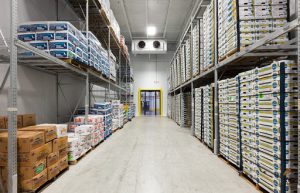
Energy-Intensive Operations
Cold storage facilities consume significantly more energy than ambient warehouses. Refrigeration systems, insulated panels, blast freezers, and air curtains must operate continuously to maintain consistent temperatures. Energy management must therefore be a top priority.
Product Sensitivity and Compliance
Products stored in cold environments are highly sensitive to temperature fluctuations. Food products must comply with food safety regulations, while pharmaceuticals must adhere to Good Distribution Practice (GDP) standards. Proper documentation, traceability, and temperature monitoring are essential.
Workforce Challenges
Working in low temperatures presents health and safety risks. Employee retention, morale, and productivity require thoughtful management strategies, including appropriate protective equipment and shift planning.
Implement Robust Temperature Monitoring Systems
Temperature control is the foundation of cold storage management. Even small variations can cause spoilage or compliance violations.
Real-Time Monitoring Technology
Install real-time temperature monitoring systems with automated alerts. Sensors should be placed strategically throughout storage zones, including loading docks and staging areas. Modern IoT-based systems allow managers to monitor conditions remotely and receive notifications of temperature excursions instantly.
Redundant Systems and Backup Power
Power outages can devastate inventory. Ensure backup generators are tested regularly and capable of maintaining refrigeration systems during emergencies. Redundancy in refrigeration compressors and control systems minimizes risk.
Routine Calibration and Maintenance
Temperature sensors and monitoring devices must be calibrated routinely. Scheduled preventative maintenance reduces the risk of unexpected system failures.
Optimize Warehouse Layout and Design
Efficient design reduces energy consumption and improves workflow.
Zone-Based Temperature Segmentation
Segment the warehouse into temperature zones based on product requirements. This prevents overcooling areas unnecessarily and improves energy efficiency.
Minimize Door Openings
Frequent door openings allow warm air to enter, forcing refrigeration systems to work harder. Use high-speed insulated doors, air curtains, and dock seals to limit temperature fluctuations.
Optimize Racking Systems
High-density racking systems maximize cubic storage capacity while maintaining airflow. Proper spacing ensures consistent temperature distribution throughout the facility.
Prioritize Energy Efficiency
Energy costs represent one of the largest operational expenses in cold storage.
Upgrade to Energy-Efficient Refrigeration Systems
Modern refrigeration technologies, including variable speed compressors and advanced evaporator systems, can significantly reduce energy usage. Evaluate opportunities to transition to natural refrigerants, which may also reduce environmental impact.
Insulation and Thermal Integrity
Maintain high-quality insulation in walls, ceilings, and floors. Damaged panels or compromised vapor barriers lead to condensation issues and energy loss.
Lighting Optimization
Switch to LED lighting designed for low-temperature environments. Install motion sensors to reduce unnecessary energy consumption in low-traffic areas.
Implement Strong Inventory Management Practices
Inventory accuracy is critical in temperature-controlled environments where product shelf life is limited.
First-In, First-Out (FIFO)
Implement FIFO inventory management to reduce spoilage and waste. For highly perishable goods, consider FEFO (First-Expired, First-Out) systems.
Warehouse Management Systems (WMS)
Use a WMS tailored to cold storage operations. Advanced systems integrate temperature tracking, lot control, and traceability to meet regulatory standards.
Cycle Counting and Audits
Regular inventory audits prevent shrinkage and ensure compliance. Digital scanning systems improve accuracy and speed.
Maintain Regulatory Compliance and Documentation
Cold storage facilities serving food and pharmaceutical sectors must meet strict regulatory requirements.
Food Safety Standards
Food storage operations must comply with HACCP principles and local food safety regulations. Maintain clear documentation of temperature logs, cleaning schedules, and pest control procedures.
Pharmaceutical Compliance
Pharma-grade cold storage requires validated systems, controlled access, and documented procedures for handling temperature excursions. Audit readiness should be an ongoing priority.
Record-Keeping and Traceability
Maintain digital records for temperature logs, maintenance reports, and shipment tracking. Quick traceability protects your business during recalls or inspections.
Enhance Employee Safety and Training
Cold environments introduce specific occupational hazards.
Proper Protective Equipment
Provide insulated clothing, gloves, non-slip boots, and thermal headgear. Ensure employees understand the importance of layered clothing to prevent cold stress.
Safe Work Practices
Train staff to recognize symptoms of hypothermia and frostbite. Establish warm-up areas where employees can take scheduled breaks.
Equipment Safety
Forklifts and pallet jacks used in cold environments require special lubricants and maintenance protocols. Ensure operators are certified and trained for cold conditions.
Streamline Receiving and Shipping Operations
Loading docks are high-risk zones for temperature fluctuations.
Pre-Cooling Procedures
Ensure products arrive pre-cooled to required temperatures before entry. Inspect shipments for temperature compliance upon arrival.
Dock Management Systems
Use dock scheduling software to minimize congestion and reduce door-open time. Faster loading and unloading reduces thermal shock to stored goods.
Cross-Docking Efficiency
For high-turnover products, implement cross-docking strategies to reduce storage time and energy usage.
Develop Emergency Response Protocols
Preparedness reduces downtime and financial losses.
Contingency Planning
Create clear action plans for power failures, refrigeration breakdowns, and natural disasters. Staff should know emergency procedures and escalation protocols.
Insurance and Risk Mitigation
Ensure adequate insurance coverage for inventory loss and equipment failure. Regular risk assessments help identify vulnerabilities.
Leverage Data and Continuous Improvement
Data-driven management enhances long-term performance.
Key Performance Indicators (KPIs)
Track KPIs such as energy consumption per pallet, order accuracy, temperature deviation frequency, and inventory turnover rates.
Benchmarking and Audits
Regularly benchmark your facility against industry standards. Internal audits help identify inefficiencies and opportunities for improvement.
Continuous Training and Technology Adoption
Invest in staff training and stay informed about emerging cold storage technologies. Automation, robotics, and AI-driven analytics are increasingly shaping the future of temperature-controlled warehousing.
Conclusion
Managing a cold storage warehouse requires a balance of operational efficiency, strict temperature control, regulatory compliance, and workforce safety. By implementing real-time monitoring systems, optimizing facility design, prioritizing energy efficiency, strengthening inventory management, and fostering a culture of safety and continuous improvement, operators can reduce risk while maximizing profitability.
As global supply chains grow more complex and demand for temperature-sensitive products increases, adopting these best practices ensures your cold storage warehouse remains reliable, compliant, and competitive in a rapidly evolving market.
Recent Comments